
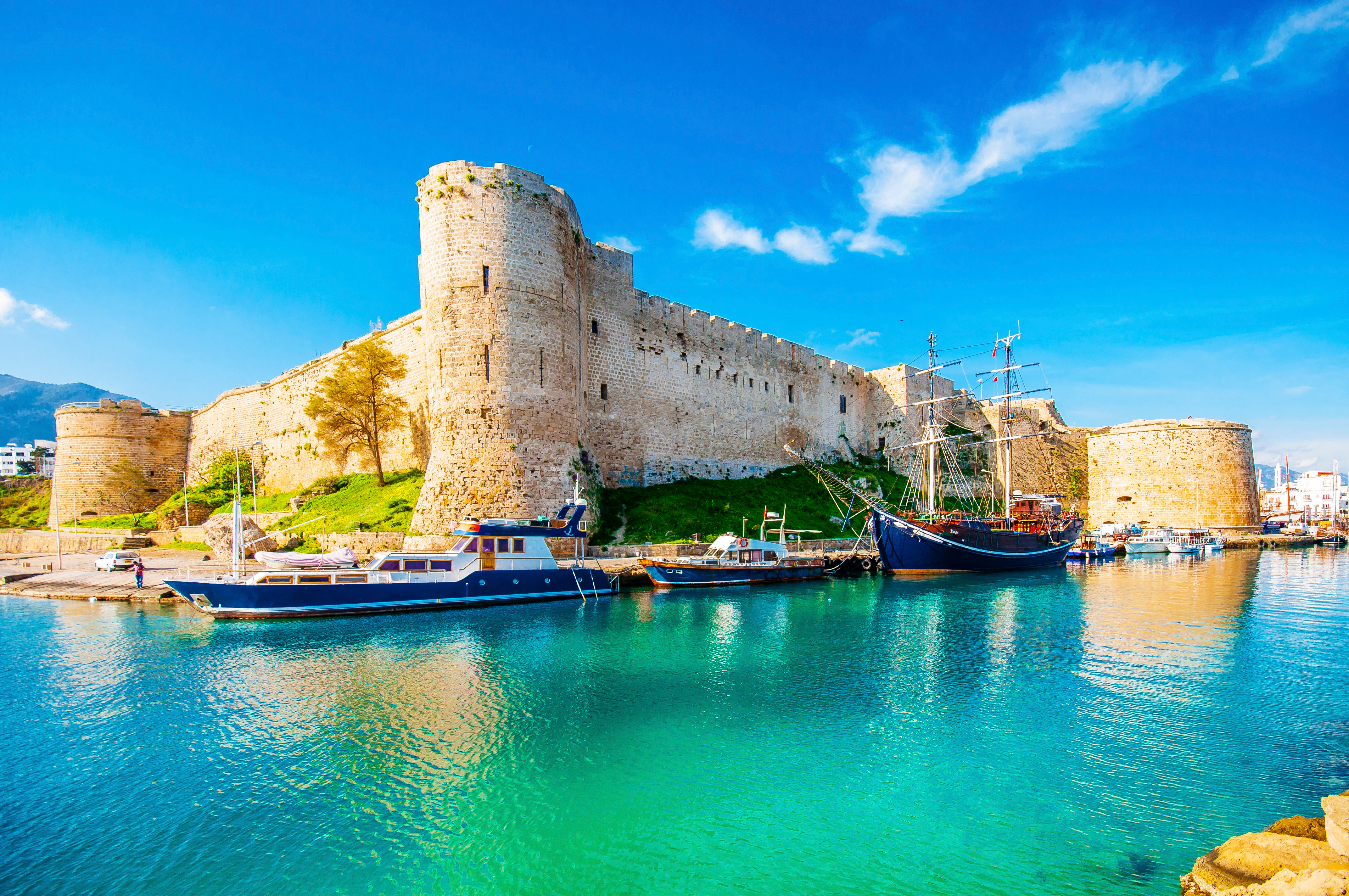
Cyprus is one of the most versatile destinations in the Mediterranean. Thanks to its mild climate, compact size, and excellent infrastructure, it works beautifully across multiple seasons. That said, when you go will shape how your trip feels, from beach-focused relaxation to cultural exploration and countryside wandering.
In this second blog of our Cyprus series, we’re breaking down the best times to visit, what each season offers, and how to plan your trip so it matches your travel style, not just the calendar.
The Best Time to Visit Cyprus Overall
Cyprus enjoys more than 300 days of sunshine a year, making it one of the sunniest destinations in Europe. Temperatures are warm but not extreme for much of the year, and the island rarely feels rushed or overcrowded compared to other Mediterranean hotspots.
For most travelers, the sweet spot is April through June and September through October, when weather, crowds, and pricing are all well balanced.
Spring in Cyprus (March–May)

Blooming Landscapes and Ideal Sightseeing Weather
Spring is one of the most beautiful times to visit Cyprus. The countryside comes alive with wildflowers, the temperatures are comfortable, and the island feels fresh and relaxed.
What it’s like
- Daytime temperatures in the 60s and 70s
- Lush green landscapes and blooming flowers
- Comfortable conditions for sightseeing and hiking
Why travelers love it
This is the perfect season for exploring archaeological sites, coastal towns, and mountain villages without heat or crowds. The Troodos Mountains are especially lovely in spring, offering cooler air and scenic drives.
Best for
Cultural travelers, hikers, photographers, and first-time visitors who want variety without peak-season intensity.
Summer in Cyprus (June–August)
Beach Days, Long Evenings, and Island Energy
Summer is peak beach season in Cyprus. The island embraces long, sunny days and warm evenings, especially along the coast.
What it’s like
- Hot, dry weather
- Sea temperatures perfect for swimming
- Lively coastal towns and resort areas
Why travelers love it
If your ideal Mediterranean trip includes beach clubs, swimming, boating, and late dinners by the sea, summer delivers. Coastal areas like Ayia Napa and Protaras thrive during this time, while mountain villages offer cooler escapes inland.
Things to know
- Midday heat can be intense
- Sightseeing is best early morning or evening
- July and August are busiest for European travelers
Best for
Beach lovers, families, and travelers who enjoy vibrant summer energy.
Fall in Cyprus (September–November)

Warm Seas, Fewer Crowds, and a Slower Pace
Fall is a favorite season for many experienced travelers.
What it’s like
- Warm days with cooler evenings
- Sea remains warm well into October
- Fewer visitors and a calmer atmosphere
Why travelers love it
You get the best of summer without the crowds. Beach days, cultural sightseeing, and countryside exploration all work beautifully during fall. Wine harvest season also brings local festivals and food-focused experiences.
Best for
Couples, food and wine lovers, repeat visitors, and travelers seeking balance.
Winter in Cyprus (December–February)
Mild, Cultural, and Quietly Rewarding
Winter is Cyprus’ most underrated season.
What it’s like
- Mild coastal temperatures
- Cooler weather inland
- Very few tourists
Why it works
While beach swimming slows down, winter is ideal for cultural exploration, city stays, and discovering local life. You can explore Paphos and Nicosia without crowds, and even find snow in the Troodos Mountains for a unique contrast.
Best for
Culture lovers, slower travelers, and those seeking value and authenticity.
How to Get to Cyprus

Flying to Cyprus
Most travelers arrive via:
- Larnaca International Airport
- Paphos International Airport
Direct flights connect Cyprus to many European cities, with seasonal routes expanding during spring and summer.
Getting Around the Island
Cyprus is compact and easy to navigate.
- Renting a car is highly recommended
- Driving is on the left
- Roads are well maintained and scenic
Having a car allows you to explore beaches, villages, and mountains at your own pace.
How Long to Stay in Cyprus
Cyprus rewards time and flexibility.
Ideal trip length
- 6–8 nights for a balanced first visit
- 9–12 nights if combining coast, culture, and mountain regions
This allows you to experience different sides of the island without rushing.
Planning Tips That Make a Difference
- Base yourself in one or two locations rather than moving constantly
- Combine coastal stays with a mountain or village experience
- Plan outdoor activities around early mornings or evenings in summer
- Book accommodations and rental cars early for peak season
Why Timing Matters in Cyprus

Cyprus in May feels fresh and exploratory. Cyprus in August feels social and beach-driven. Cyprus in October feels calm and golden. None of these experiences are better than the others, but choosing the right one ensures your trip aligns with your expectations.
Let Mahone Travel Help You Plan Cyprus the Right Way
At Mahone Travel, we help you decide not just where to go in Cyprus, but when to go for the experience you actually want. From choosing the best season to building a well-paced itinerary, we handle the details so you can focus on enjoying the island.
In Part Three of our Cyprus series, we’ll explore where to stay in Cyprus, highlighting luxury resorts, boutique hotels, and unique mountain stays that elevate the experience.
If Cyprus is on your list for 2026 or beyond, schedule a call with Mahone Travel today and let’s start planning a Mediterranean trip that feels thoughtful, relaxed, and perfectly timed.
Leave a Reply