
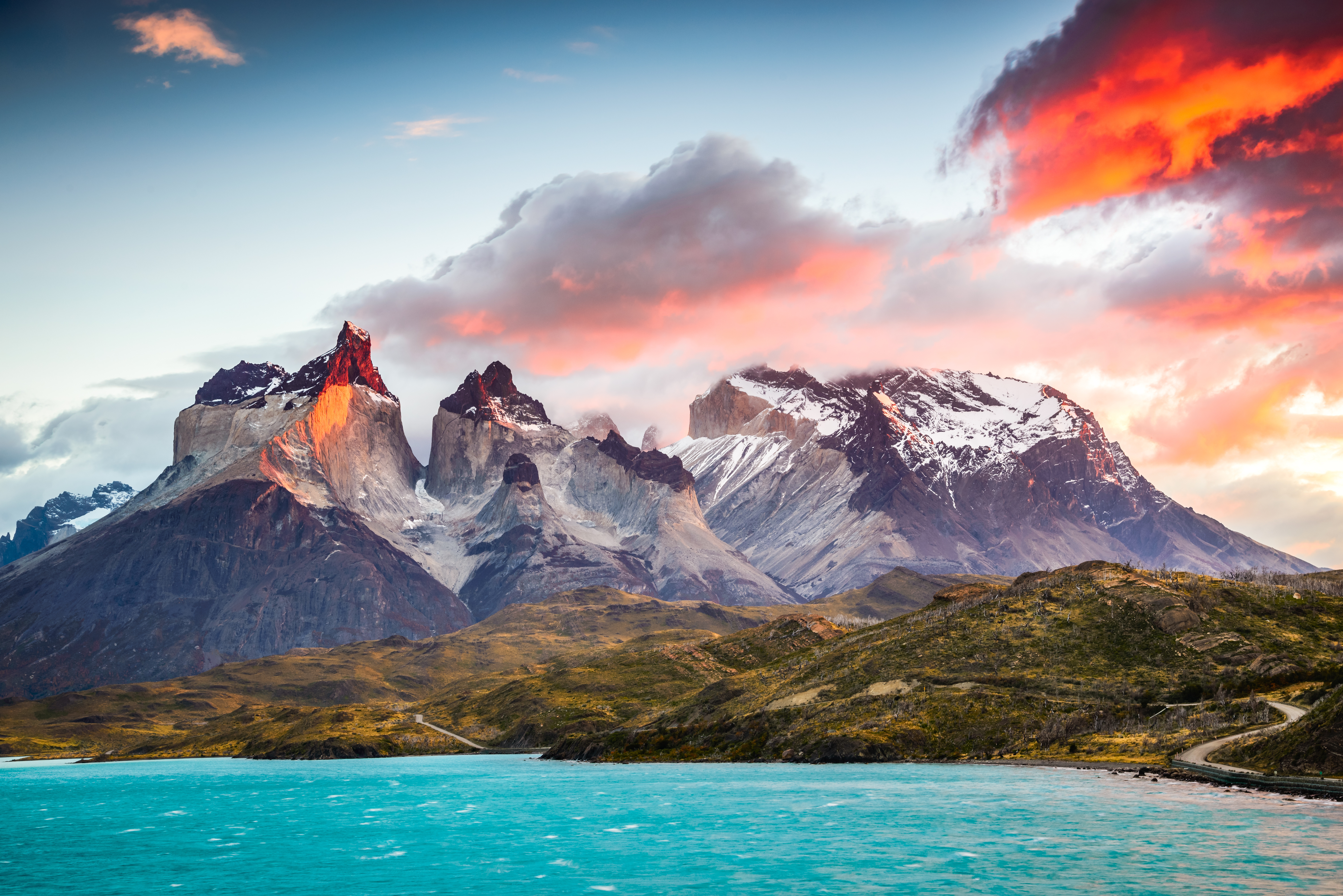
Patagonia is not a destination you book casually. It is remote, weather-driven, and spread across a massive stretch of southern Chile and Argentina. And that is exactly why planning when to go, how to get there, and where to stay matters so much.
The good news is this. With the right timing and a thoughtful itinerary, Patagonia becomes not just doable, but unforgettable. This guide breaks it all down in a way that makes sense, so you can picture how a Patagonia trip actually comes together.
When to Visit Patagonia: Choosing the Right Season

Peak Season: November–March (Southern Hemisphere Summer)
This is the most popular time to visit Patagonia and for good reason.
What it’s like
- Long daylight hours, often 16–18 hours in December and January
- The best weather window for hiking and outdoor activities
- All lodges, parks, and excursions fully operating
Why travelers love it
This is prime time for iconic destinations like Torres del Paine National Park and El Chaltén. Trails are accessible, boat excursions run regularly, and wildlife sightings are common.
Things to know
- It is the busiest and most expensive season
- January and February book far in advance
- Weather is still unpredictable, even in summer
Best for
First-time Patagonia travelers, hikers, and those wanting the widest range of activities.
Shoulder Season: October and April
These months are a sweet spot for many travelers.
What it’s like
- Fewer crowds
- Cooler temperatures
- Shorter days but still good visibility
Why travelers love it
You get much of the beauty without peak-season crowds. Autumn in April brings golden landscapes, while October feels fresh and quiet as the season opens.
Best for
Travelers who want Patagonia’s drama with a calmer, more reflective feel.
Off-Season: May–September (Winter)
This is the least common time to visit Patagonia.
What it’s like
- Snow-covered landscapes
- Limited access to trails and lodges
- Very few tourists
Why it works for some
While not ideal for classic Patagonia itineraries, winter can appeal to photographers and travelers seeking solitude, especially in select areas.
Best for
Repeat visitors and travelers with very specific goals.
How to Get to Patagonia: What the Journey Looks Like

Patagonia is remote by design. Getting there is part of the experience.
Step 1: Fly to South America
Most travelers start with international flights into:
- Buenos Aires
- Santiago
Some itineraries include both, depending on whether you visit Argentine Patagonia, Chilean Patagonia, or both.
Step 2: Domestic Flights South
From there, you connect to Patagonia’s gateway airports:
- El Calafate for glaciers
- Puerto Natales for Torres del Paine
Flights are short, but schedules are limited, which is why planning matters.
Step 3: Ground Transfers and Guided Travel
From Patagonia airports, you will rely on:
- Private transfers
- Small-group guided transport
- Lodge-arranged pickups
Self-driving is possible in some areas, but distances, weather, and road conditions make guided logistics the smoother choice for most travelers.
How Long You Should Stay in Patagonia

Patagonia rewards time. Trying to rush it does the destination a disservice.
Recommended minimums
- 4–5 nights per region
- 8–12 nights total if combining Chile and Argentina
A well-paced itinerary might include:
- 3–4 nights in Torres del Paine
- 3–4 nights near El Calafate
- 2–3 nights in El Chaltén
Where to Stay in Patagonia: Lodges That Elevate the Experience

Patagonia is not about hotel hopping. The right lodge becomes part of the experience, offering location, comfort, and access to the landscape.
Explora Patagonia
Located inside Torres del Paine, Explora offers guided excursions, refined comfort, and unmatched views of the park’s granite towers.
Best for: Travelers who want a seamless, all-inclusive-style experience focused on exploration.
Tierra Patagonia
Sleek, modern, and beautifully integrated into the landscape, Tierra Patagonia offers stunning design, excellent guiding, and a strong wellness focus.
Best for: Travelers who want luxury that feels quiet and intentional.
Awasi Patagonia
This is one of Patagonia’s most exclusive stays. Private villas, a dedicated guide and vehicle, and fully customized excursions.
Best for: Couples and travelers who want privacy and personalization.
EOLO
Set outside El Calafate, EOLO offers sweeping views, horseback riding, and a deep connection to Patagonian estancia life.
Best for: Travelers who want culture, comfort, and open space.
How to Plan Patagonia Without Overwhelming Yourself
Patagonia is not about ticking off every landmark. It is about choosing a few regions and experiencing them fully.
The most successful trips:
- Limit hotel changes
- Build in rest days
- Accept weather flexibility
- Focus on quality experiences, not quantity
This is where working with a travel advisor truly matters. Patagonia logistics are complex, and thoughtful planning transforms the experience from stressful to seamless.
Let Mahone Travel Help You Plan Patagonia the Right Way
At Mahone Travel, we specialize in destinations that require intention and expertise. Patagonia is one of them. We help you choose the right season, design a realistic route, secure standout lodges, and manage every detail so you can focus on the experience.
If Patagonia is on your list for 2026 or beyond, schedule a free 30 minute call with Mahone Travel today and let’s plan a journey that honors the scale, beauty, and magic of one of the world’s most extraordinary destinations.
Leave a Reply